
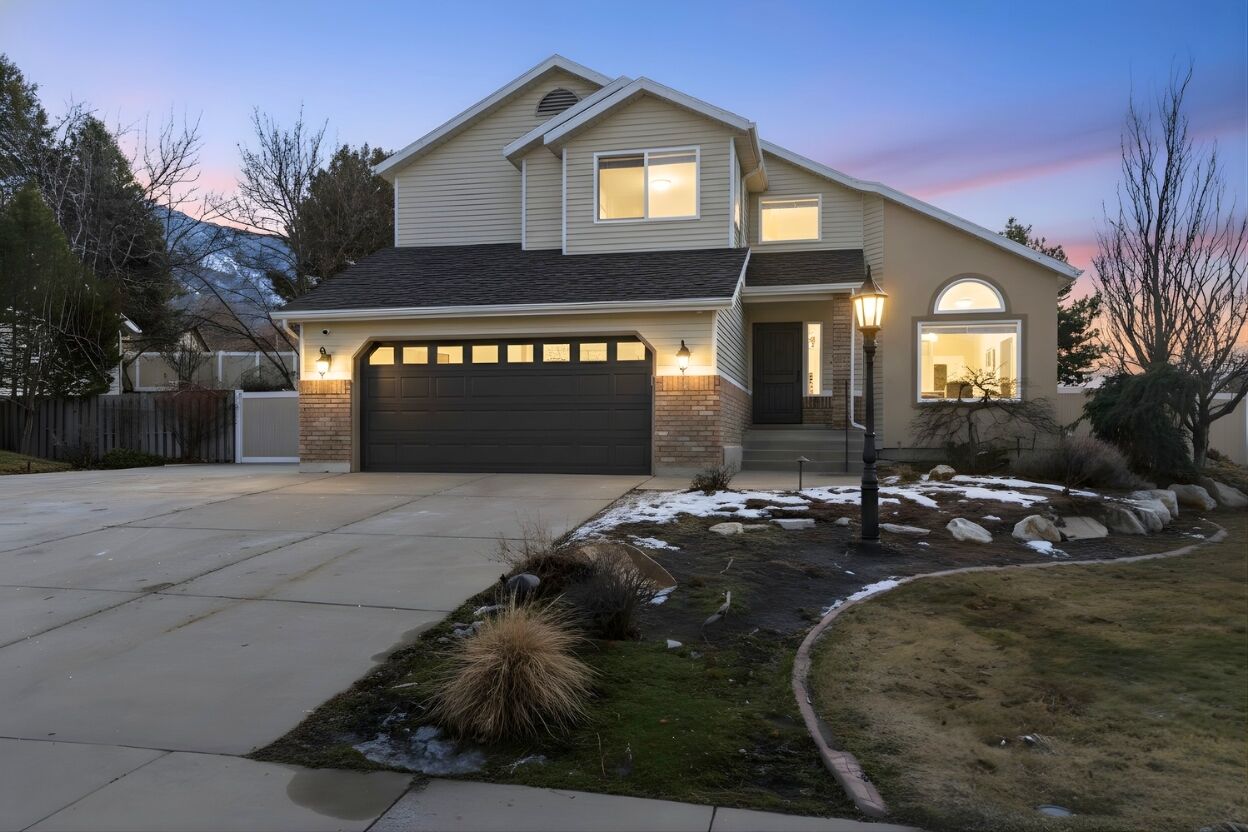
A great home starts long before the first shovel
A great home is the result of four decisions made well: where you build, how you design, who builds it, and how the project is carried through to the finish. Get those four right and you end up with a home that lives well, holds its value, and is ready for whatever the next decade brings. Get one wrong and no amount of finish work can fully make up for it.
At Colosimo Construction, we develop new construction homes and full renovations along Utah’s Wasatch Front, from Salt Lake County to Utah County. We are the developer, the general contractor, and a licensed real estate agent on our projects, which means one team is accountable from raw dirt to the day the keys change hands. Our tagline says it simply: Built Like It’s Yours.
This guide walks through the home development process the way we run it, and what it really takes to build a great home. Whether you are shopping for a new construction home in Utah, comparing builders, or an investor trying to understand how development projects work, you will come away knowing what to look for and what questions to ask.
The home development process in four steps: Source, Design, Build, Exit
Every Colosimo Construction project moves through the same four steps: Source, Design, Build, and Exit. Each step has its own risks, and most problems in new construction can be traced back to a step that was rushed. You can see the short version in our process.
Step 1: Source the right land or home
The most important decision in real estate development happens before anything is designed: choosing the right lot or home. A beautiful house on the wrong lot will always struggle, while a well-chosen location protects value for decades.
When we evaluate a lot or a home to renovate on the Wasatch Front, we look at:
- Neighborhood and schools. Established neighborhoods with strong schools and nearby amenities hold value and attract families.
- Zoning and setbacks. City zoning decides how large a home can be, how close it can sit to property lines, and whether a lot can be split. Each city, from Draper to Cottonwood Heights to Lehi, has its own rules.
- Soils, slope, and water table. Many Utah lots have hillside grades, rocky soils, or a high water table. These can rule out a basement, add retaining walls, or change the foundation design, and they need to be checked before purchase.
- Utilities and access. The cost of bringing water, sewer, power, and gas to a lot can vary widely.
- The numbers. We underwrite every deal conservatively, comparing land, construction, and carrying costs against recent comparable sales, with a contingency for surprises.
Step 2: Design for how families actually live
Good design starts with the people who will live in the home, not with a stock floor plan. On the Wasatch Front, that usually means growing families who need space, storage, and flexibility.
Our design priorities include:
- Main-floor living, including a primary suite on the main level for families today and owners who want to age in place later.
- A finished lower level for kids, guests, recreation, or a home office.
- Real storage: mudrooms with lockers, walk-in pantries, and garages with room for cars, bikes, and ski gear.
- Design-forward finishes that feel timeless and photograph beautifully, without chasing trends that date quickly.
- Future-ready planning. We map out where tomorrow’s upgrades will go before construction starts, so they are easy to add later.
Design is also where budget discipline happens. Every dollar should go where it adds the most to how the home lives and what it is worth.
Step 3: Build with trusted trades and an owner’s eye
Construction quality comes down to the people doing the work and the standard they are held to. Colosimo Construction builds with long-term, vetted subcontractors and holds every phase to one test: would this be good enough for our own family?
A typical new build on the Wasatch Front moves through these phases:
- Permits and site prep: plan review, excavation, and utility connections.
- Foundation: footings, foundation walls, waterproofing, and drainage.
- Framing: the structure, roof, windows, and exterior doors.
- Rough-ins: plumbing, electrical, HVAC, and low-voltage wiring, plus our upgrade-ready connections.
- Inspections and insulation: city inspections, insulation, and air sealing.
- Drywall and interior finishes: cabinets, tile, flooring, trim, paint, and fixtures.
- Exterior and landscaping: final grading, driveway, and yard.
- Final walkthrough: punch list, final inspection, and certificate of occupancy.
As the general contractor, we schedule ahead, order long-lead materials early, and catch conflicts between trades before they reach the job site. That is how projects stay on budget and on time.
Step 4: Exit with a plan
Every project has a planned exit before we ever buy the property. Depending on the project and the market, that may mean selling the home, refinancing and holding it, or another strategy.
When we sell a home, we list it ourselves. Buyers get firsthand answers about how their home was built, a smooth closing, a map of every upgrade-ready connection in the house, and a follow-up after they move in. Planning the exit from day one also keeps every project disciplined: the design, the budget, and the schedule all point toward a clear finish line.
What it takes to build a great home
A great home is defined less by its finishes than by the decisions you can’t see: the structure, the systems, and the planning behind them. Here is what separates a great home from a merely good-looking one.
A solid structure and building envelope
The foundation, framing, roof, windows, and flashing protect everything else in the home. Utah’s freeze-thaw cycles, heavy snow loads, and dry summers are hard on houses, so water management matters most: proper foundation waterproofing and drainage, careful window and roof flashing, and grading that moves water away from the house.
Systems that are sized and installed right
Heating, cooling, plumbing, and electrical systems should be designed for the actual home, not guessed at. A properly sized HVAC system runs quietly and efficiently, good ventilation keeps the air fresh, and a well-planned electrical panel leaves room to grow.
Energy efficiency you will feel
Insulation, air sealing, and quality windows make a home more comfortable in January and July and lower utility bills every month. These are some of the least visible and most valuable parts of a well-built home.
A home that is ready for the future
The upgrades homeowners want later are cheap to prepare for while the walls are open and expensive to add after drywall. Every Colosimo Construction home is built upgrade-ready for:
- Electric vehicle charging, with a dedicated circuit to the garage
- Sound systems, with speaker pre-wire in main living areas and outdoor spaces
- Motorized window coverings, with blocking and power at the windows
- Fast, wired internet, with structured cabling and conduit to every room
- A water softener, with a plumbed loop and power, which matters with Utah’s hard water
- Plumbing fixture upgrades, with accessible shutoffs and standard rough-ins
Design that works every day
The best floor plans make daily life easier: a drop zone at the garage door, a kitchen with room for more than one cook, bedrooms placed for privacy, and natural light in the rooms you use most. Good design feels effortless because someone thought through how you’ll actually live in the home.
Accountability from start to finish
When land, design, construction, and sale are handled by different companies, small problems fall into the gaps between them. A single accountable team, from dirt to keys, is the simplest way to protect quality. That is the core of how Colosimo Construction works, and what Built Like It’s Yours means in practice.
What this means for homebuyers
If you’re buying a new construction home in Utah, ask about the process, not just the finishes. Two homes can look identical in listing photos and be built very differently.
Questions worth asking any builder:
- Who was the general contractor, and how long have they worked with their trades?
- How was the foundation waterproofed and how does water drain away from the home?
- What insulation and windows were used?
- Is the home pre-wired or plumbed for future upgrades like EV charging or a water softener?
- What warranty comes with the home, and who do you call if something comes up?
Many buyers start by searching for a custom home builder in Utah because they want custom-level quality. A well-built, design-forward new home from a builder who plans for how families live can offer that same quality, without the long timeline and decision fatigue of a fully custom build.
What this means for real estate investors
For investors, the development process is where risk is created or controlled. Understanding how a developer runs each step is the best way to judge whether a project is well managed. When evaluating any real estate developer, look for:
- Conservative underwriting, with realistic costs, timelines, and contingencies
- Construction control, ideally a developer who is also the general contractor
- A clear exit plan, with a backup if the market shifts
- Transparent reporting, with regular updates and early warning when something changes
- Skin in the game, meaning the developer’s own capital is invested in the project
Every real estate investment carries risk, and no developer can promise a guaranteed outcome. The best ones tell you plainly where the risks are and how they manage them.
Frequently asked questions
How long does it take to build a new home in Utah?
A typical new single-family home on the Wasatch Front takes about 8 to 14 months to build once permits are issued. Design and city permitting can add several more months before construction starts, depending on the city and the complexity of the home.
What are the steps of the home development process?
At Colosimo Construction, the home development process has four steps: Source (finding the right land or home), Design (planning the home around how families live), Build (construction with trusted trades), and Exit (selling, refinancing, or another planned strategy).
What makes a new construction home well built?
A well-built home has a solid foundation and water management, properly sized heating, cooling, plumbing, and electrical systems, good insulation and air sealing, and careful workmanship in the parts of the house you can’t see after drywall.
What is a spec home?
A spec home is a house a builder designs and builds before a buyer is under contract, based on what the builder expects buyers in that area will want. Buyers get a new, move-in-ready home without managing the design and construction process themselves.
What does “upgrade-ready” mean in a new home?
An upgrade-ready home has wiring, blocking, and plumbing installed during construction for features owners often add later, such as EV chargers, sound systems, motorized shades, structured internet cabling, and water softeners, so those upgrades can be added without opening walls.
Where does Colosimo Construction build?
Colosimo Construction develops new construction homes and full renovations along Utah’s Wasatch Front, including Salt Lake County and Utah County communities such as Draper, Cottonwood Heights, Sandy, Lehi and Provo.
Does Colosimo Construction build custom homes for clients?
No. Colosimo Construction develops and builds its own projects rather than building custom homes or remodels for outside clients. Our homes are designed to deliver custom-level quality and thoughtful design in a finished, move-in-ready home.
Built Like It’s Yours
Great homes aren’t an accident. They come from the right location, thoughtful design, disciplined construction, and a team that stays accountable from start to finish. That’s the standard Colosimo Construction brings to every new build and renovation on Utah’s Wasatch Front, and it’s what we mean when we say every home is Built Like It’s Yours.
- Looking for a new home? See our available and upcoming homes
- Want to learn more about how we work? Read about our process and the values behind every project
- Have a lot or home to sell? We buy land and homes along the Wasatch Front. Get in touch